


Overview — what is the 400R?
The Nismo 400R is the ultimate expression of the R33 GT-R era: a factory-led build inspired by motorsport development, engineered to deliver big power with the balance and cohesion you rarely get from aftermarket-only builds.
- Not just power: cooling, driveline and chassis were upgraded to match.
- Collector rules apply: originality + paperwork + condition are everything.
- A true “halo” GT-R: the blueprint for what enthusiasts call a complete build.

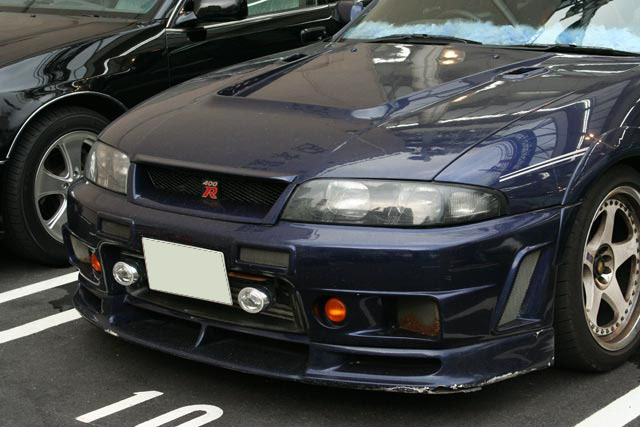
History & rarity — why provenance is everything
When production numbers are extremely low, the market becomes paperwork-led. The cars that command the strongest value are the ones with clean provenance: original documentation, consistent history, and correct Nismo-specific components.
Factory-correct parts (aero, trim, wheels) and evidence of careful ownership.
Tip: ask for underbody photos + close-ups of known weak points.
Missing documentation, mismatched components, or ambiguous engine identity/maintenance.
Tip: replicas can look perfect in photos—verify before paying.
RB-X GT2 — the heart of the legend
The RB-X GT2 is the centerpiece: a 2.8L evolution derived from the RB architecture, paired with upgrades designed to survive the output—not just achieve it on a dyno.

What makes it “complete”, not just “fast”
On cars like this, the magic is the integration: engine output, cooling capacity, and driveline strength are tuned as one system.
- Cooling-first philosophy for repeated high-load driving.
- Hardware upgrades to handle torque reliably.
- Factory-level calibration for response and drivability.
Chassis, aero & stance — built around speed
The 400R’s design language is functional. Wider stance and revised aero aren’t for show—they’re part of how the car stays stable, planted, and confidence-inspiring when the pace rises.
| Area | What changes on a true 400R |
|---|---|
| Engine | RB-X GT2 2.8 + supporting cooling/management upgrades to match the output. |
| Aero | Front bumper/ducting and body details focused on cooling and stability. |
| Chassis | Suspension + stance choices that support traction and high-speed composure. |
| Identity | Correct parts + paperwork are as important as the drive. Replicas exist. |

Interior details — the “Nismo feel”
Enthusiasts love the 400R for the same reason they love racing homologation specials: subtle, purposeful details that feel like they came from a workshop, not a marketing meeting.

What to look for in photos
When evaluating a candidate car remotely, ask for close-ups of steering wheel/badges, dash condition, seat wear, and a full set of instrument cluster photos.
- Cluster + dash (sun damage tells the real story)
- Seat bolsters (usage + care level)
- Switchgear (originality and condition)
Driving character — what it feels like
The 400R experience is about cohesion: response, traction and stability that feel engineered as a single package. It’s the kind of car that becomes more “alive” as the road opens up.
Engine feel
Immediate, urgent response—strong midrange and a top-end pull that rewards commitment.
Chassis feel
Planted and confident, with the kind of stability you normally associate with track-developed cars.
Traction & composure
Power delivery you can actually use—especially when the surface and speed change.
Why it’s legendary
It doesn’t drive like “a modified GT-R”. It drives like the factory finished the job properly.
Buyer checklist — what to check before you buy
With ultra-rare cars, the smartest buyers verify three things: identity, condition and paperwork. Here’s a practical checklist we use when screening collector candidates.
- Provenance: history, documents, consistent ownership trail.
- Originality: correct aero/trim/wheels; look for mismatched or “replacement” parts.
- Engine identity: verify RB-X GT2 evidence (documentation + inspection photos).
- Rust & structure: underbody, jacking points, rear quarters, trunk floor.
- Systems health: AWD/ATTESA, HICAS, cooling, driveline noise.
- Road reality: do you want museum-correct or usable driver? Decide early.
Want to source a 400R (or a GT-R with the same DNA)?
We can help you source rare GT-Rs through Japan stock, auctions, and bespoke requests—with documentation review, inspection photos, and export handling aligned with European expectations.
FAQ — quick answers
How rare is the Nismo 400R?
It’s widely cited as an ultra-limited run (often referenced around 44 units). In practice, the key is verifying the specific car’s provenance and originality.
What is the RB-X GT2 engine?
It’s a 2.8L evolution based on the RB architecture, paired with supporting upgrades (cooling, hardware, calibration) designed around the output—rather than chasing peak numbers alone.
Are replicas common?
Yes—because the aesthetic is iconic. Always verify parts, paperwork and history, not just exterior looks.
Can you import and register a GT-R like this in Europe?
Yes, but the process depends on the country (France/Germany/etc.). The key is preparing documentation early and planning any compliance conversions (lighting, speedo, etc.).
What documents matter most for collector value?
Consistent history, official paperwork, service records, and anything that confirms originality and correct configuration.