Model · European models
Porsche 911 (997): 997.1 or 997.2, which one to buy in Japan?
The 997 Carrera exists in two phases: before and after the 2008 update. What changed, the weak points the specialists describe for each, and what to check on a car found in Japan.
Published on · 7 min read · TOPRANK Europe
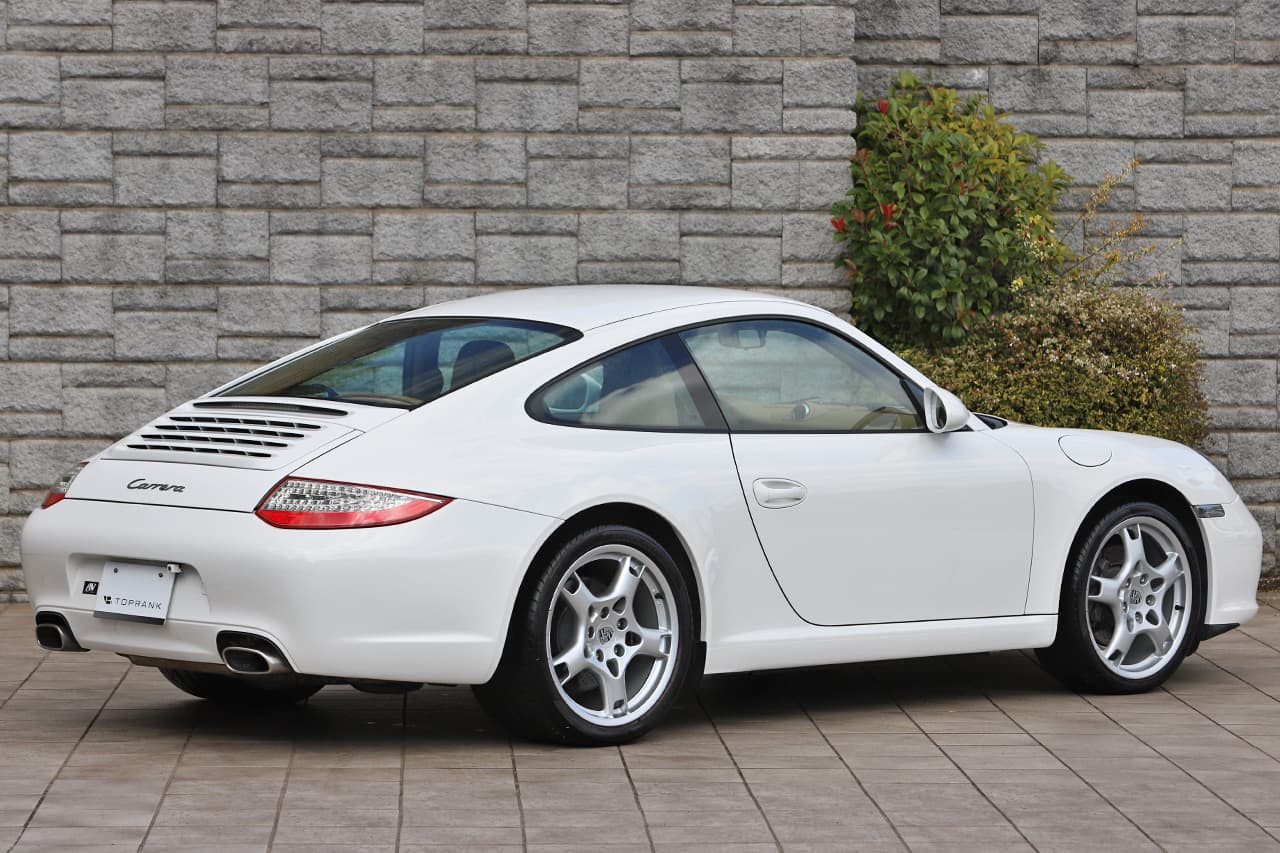
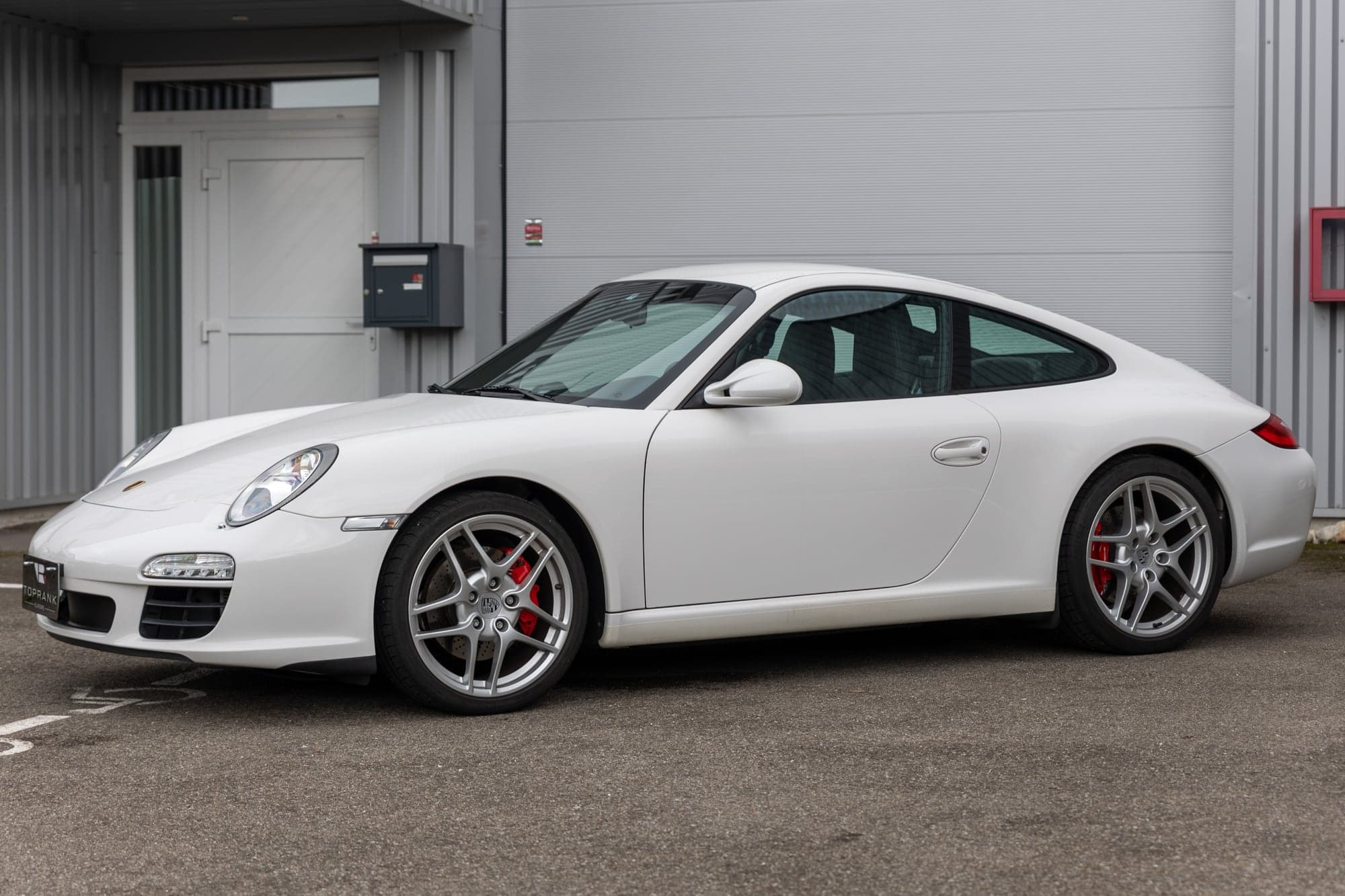
Porsche presented the sixth-generation 911, known internally as the 997, in July 2004. Between 2004 and 2012, Porsche built 213,004 of them. Buyers speak of two phases: the 997.1, before the 2008 update, and the 997.2, after it. Choosing between them is the first question for most people looking for a 997 Carrera.
Two phases, side by side
In autumn 2008, Porsche revised the Carrera models. The figures below are Porsche's own, for the Carrera and Carrera S (rear-wheel drive and four-wheel drive alike).
| 997.1 (phase 1) | 997.2 (phase 2) | |
|---|---|---|
| Years (Porsche Classic) | 2004/2005 to 2008 | 2009 to 2012 |
| Carrera | 3.6 litres, 325 PS | 3.6 litres, 345 PS |
| Carrera S | 3.8 litres, 355 PS | 3.8 litres, 385 PS |
| Fuel injection | Indirect | Direct |
| Automatic option | Tiptronic S | PDK, seven-speed dual clutch |
| Manual gearbox | Six-speed | Six-speed |
Porsche lists the early Carrera S coupé from 2004 and the other early models from 2005: the first cars were presented in 2004 and sold as 2005 models. The table does not cover the GTS, Turbo or GT models, which have their own engines.
What changed in 2008
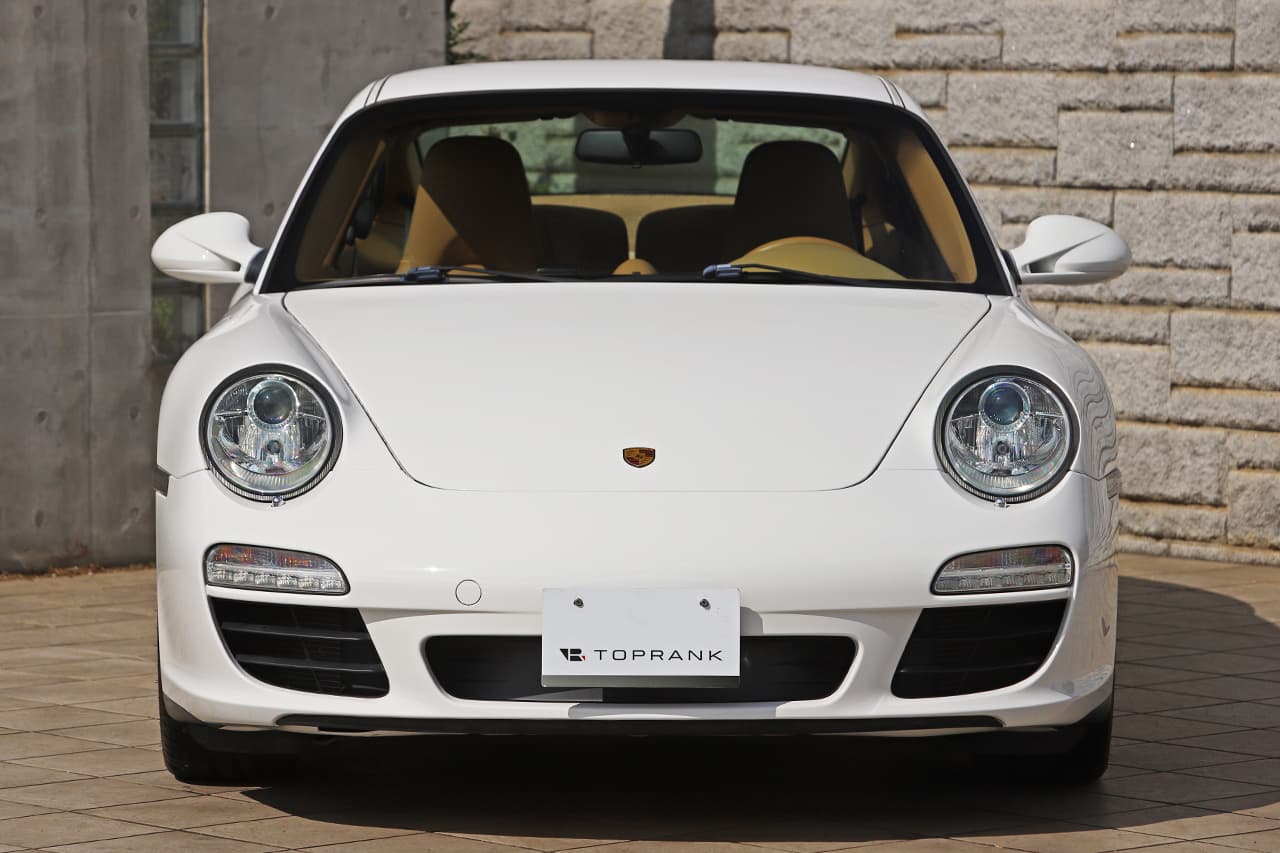
- Direct injection. Porsche introduced direct fuel injection on the 911 with this update. Fuel consumption fell, power rose.
- New engines. The press of the time described the engines as all new, with about 40% fewer moving parts and a new timing chain design.
- PDK. The seven-speed dual-clutch gearbox replaced the Tiptronic S automatic. The six-speed manual remained available.
- Details you can see. New front and rear lights (LED at the rear), a newer navigation and audio system. On the Carrera 4 and 4S, electronically controlled four-wheel drive and a wider rear body.
The weak points, as the specialists describe them
Every car of this age needs checking. For the 997, the specialist press and the Porsche Club GB name a few points by phase. They agree that these faults affect a minority of cars, but their estimates differ.
Phase 1 (997.1)
- Bore scoring. Wear of the cylinder walls. PistonHeads estimates it at about 1% of phase 1 cars, the Porsche Club GB at perhaps 5%. The 3.8-litre engines of the Carrera S seem more prone. Signs reported: a ticking noise at idle, and soot on the left-hand tailpipe while the right one stays clean.
- Intermediate shaft bearing (IMS). It can fail without warning, but the specialists describe it as rare, and far less common than on the previous 911 (996). According to the Porsche Club GB, a stronger part was fitted from about the 2007 model year.
- Rear main oil seal. Leaks are reported on 2005 and 2006 Carreras, not on later cars.
Phase 2 (997.2)
- A different engine. The phase 2 engine is a new design. Specialist sources state that it no longer has the intermediate shaft of the earlier engine, so the IMS question concerns the 997.1.
- Vacuum pump. The Porsche Club GB names it as the most common wear item: after about ten years it can corrode and leak oil.
Manual, Tiptronic or PDK
According to PistonHeads, the manual gearbox is close to unbreakable, and the Tiptronic and the PDK are also free of known trouble. The Porsche Club GB suggests treating a noisy Tiptronic with caution. The choice is mostly one of taste: the Tiptronic suits relaxed driving, the PDK shifts faster, and the manual remains the purists' choice in both phases.
What to check on any 997
- Service history: the Porsche Club GB gives an interval of two years or 20,000 miles. Look for regular coolant checks.
- Diagnostic read-out: a Porsche diagnostic tool shows stored faults and any over-revving of the engine.
- Mileage: compare the mileage stored in the engine computer with the dashboard.
- Cooling: look for leaks at the radiators, hoses and the reservoir cap.
- Clutch: a heavy pedal can mean a clutch near the end of its life.
- Engine inspection: on a phase 1, ask for an inspection of the cylinders with a camera if there is any doubt.
A 997 found in Japan
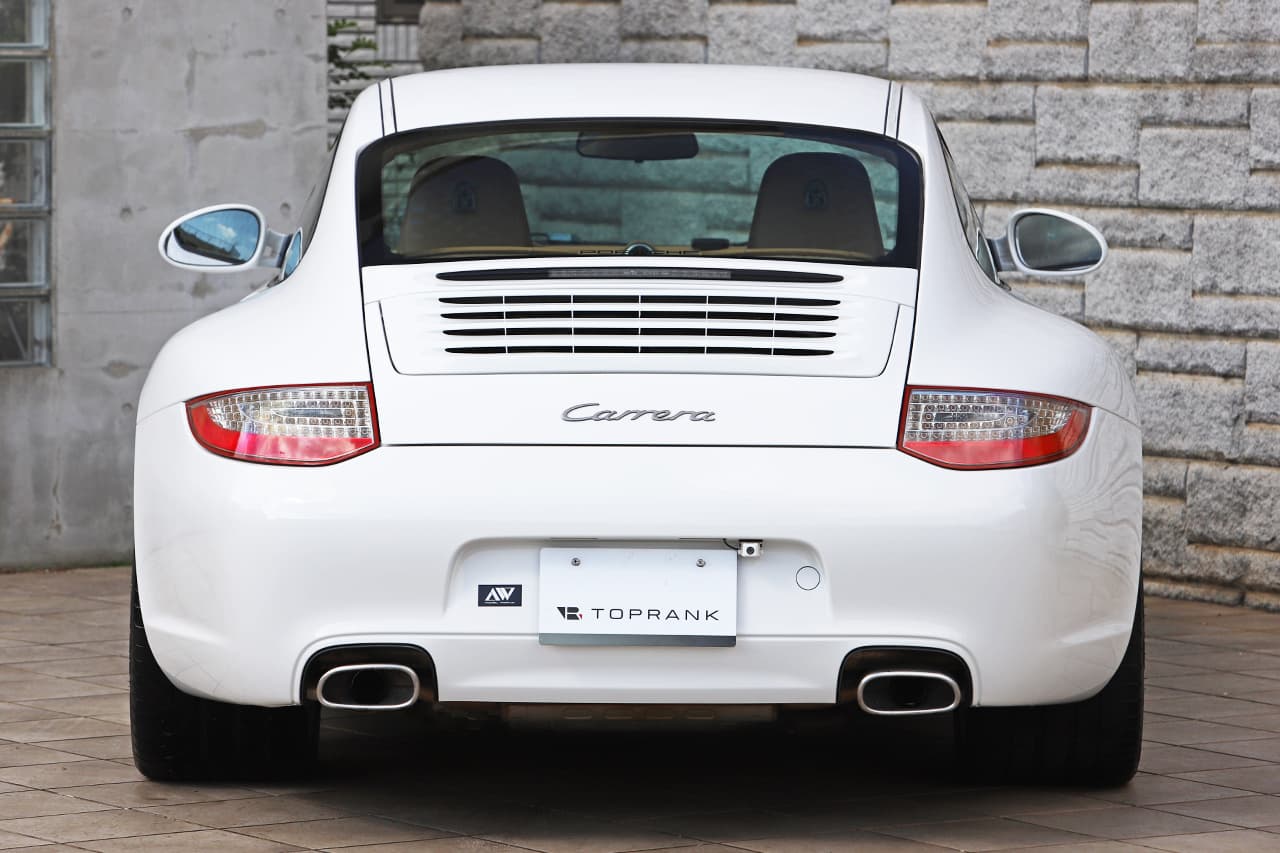
In Japan, many European sports cars were sold new with the steering wheel on the left, but not all of them. We tell you which side the wheel is on for every car we offer. The car is bought in Japan by TOPRANK Japan, in its own name, then exported.
A 997 built for the Japanese market is not registered automatically in Europe. In France, the usual route is the individual approval (RTI). The manufacturer's document is not included in our price: you order it from Porsche. Some modifications are mandatory, such as a rear fog light on the left and headlights approved for Europe. In Germany, the car goes through a TÜV individual approval, done at our Colmar site.
We regularly import 997s to Colmar. The stock changes: see which cars are available today.
See the cars in stock in Colmar
Questions
Is a 997.2 always the better choice?
No. It has more power, direct injection and the PDK, and it avoids the questions specific to the phase 1 engine. But a well-kept 997.1 with a clear history can be the better car. Judge the car, not only the phase.
How do I know which phase a car is?
By its year and its details: LED rear lights, the PDK instead of the Tiptronic, and the engine. We confirm it on every car we offer.
Why do so many 997s in Japan have left-hand drive?
For decades, European sports cars arrived in Japan as they were built for their home market. Our article on left-hand-drive cars in Japan explains why.
Sources
The facts in this article come from the sources below.
- Porsche Newsroom — 911 type 997 (seven generations, part 6)
- Porsche Newsroom — 60 years of the 911, sixth generation (997), 2004–2012
- Porsche Newsroom — 60 years of the 911, sixth generation, engines
- Porsche Classic — 911 Carrera (type 997)
- GoAuto — the 2008 911 Carrera range (4 September 2008)
- PistonHeads — Porsche (997) 911 buying guide: powertrain
- Porsche Club GB — 911 (997) buyers' guide
Keep reading
Your plans
A question about your car?
Tell us what you are looking for. We answer in French, English or German.