European makes
Your European car, imported from Japan
Porsche, Ferrari, Lamborghini, McLaren: Japan has many of them, often with the steering wheel on the left. We find yours, import it and homologate it, in France or in Germany.
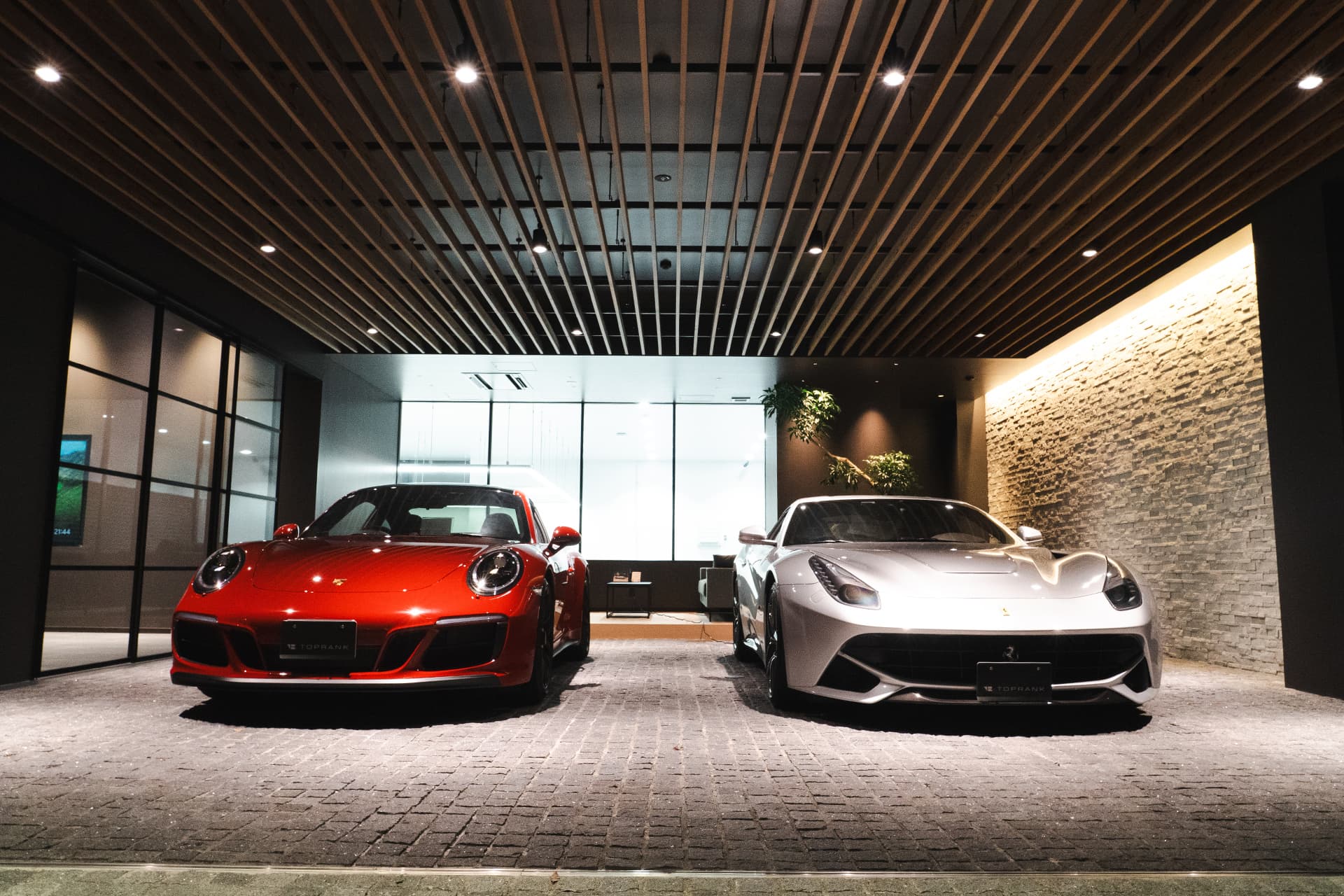
The group in Japan
A group that sells them every day
In Japan, TOPRANK sells cars of European makes from its own showrooms. We start our search there, then widen it to the rest of the Japanese market.
- 73
- Porsche
- 38
- Ferrari
- 13
- Lamborghini
- 8
- McLaren
Cars in stock at TOPRANK in Japan, out of 422 cars. Stock as shown on toprank.jp on 19 November 2026; it changes every week.
Why Japan
Left-hand drive, in a right-hand-drive country
Japan drives on the left, and its own cars have the wheel on the right. European sports cars are a different story.
01
Left-hand drive, from new
For decades, imported cars arrived in Japan as they were built for their home market: with the steering wheel on the left. For sports cars and high-end models it has remained a common choice.
02
Some models only came that way
The Porsche 911 GT3 RS launched in Japan in March 2015 was only sold there with left-hand drive.
03
A large market
More than half a million used imported cars change hands in Japan every year.
04
It is legal there
Asked by a Japanese magazine in 2019, the Ministry of Transport answered that a car is not refused because its steering wheel is on the left.
Not every car: most new German cars sold in Japan today have right-hand drive. We tell you which side the steering wheel is on for every car we propose.
Read: why Japan has so many left-hand-drive carsSeen in the TOPRANK studio in Japan
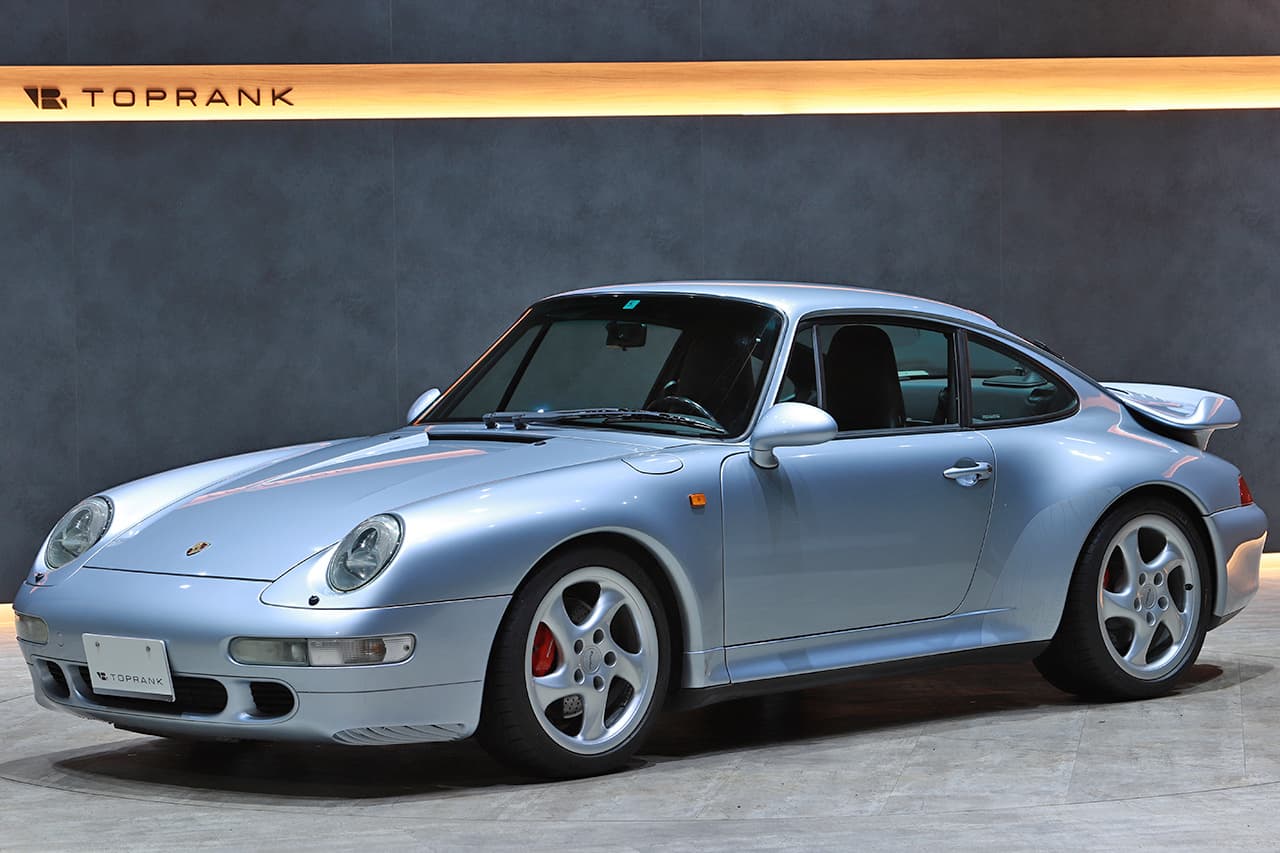
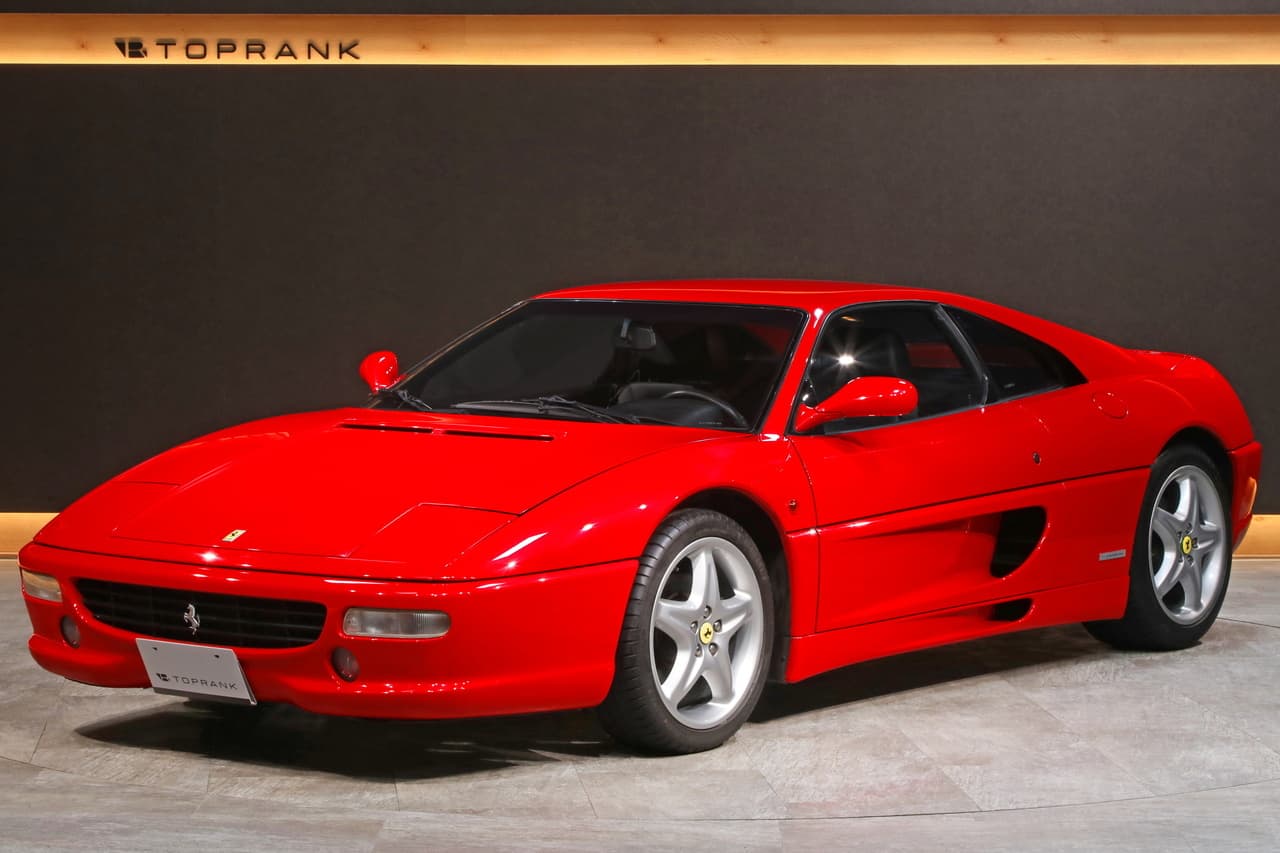
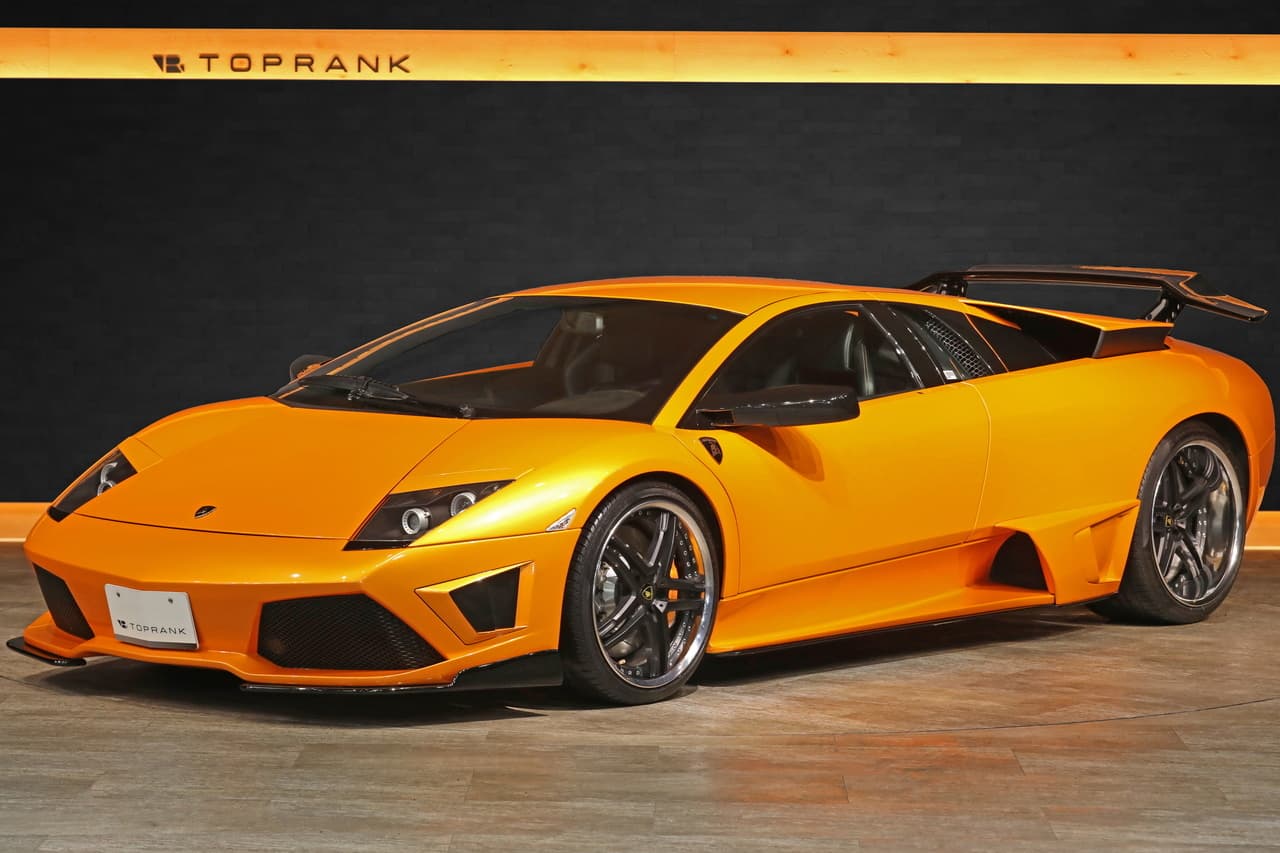
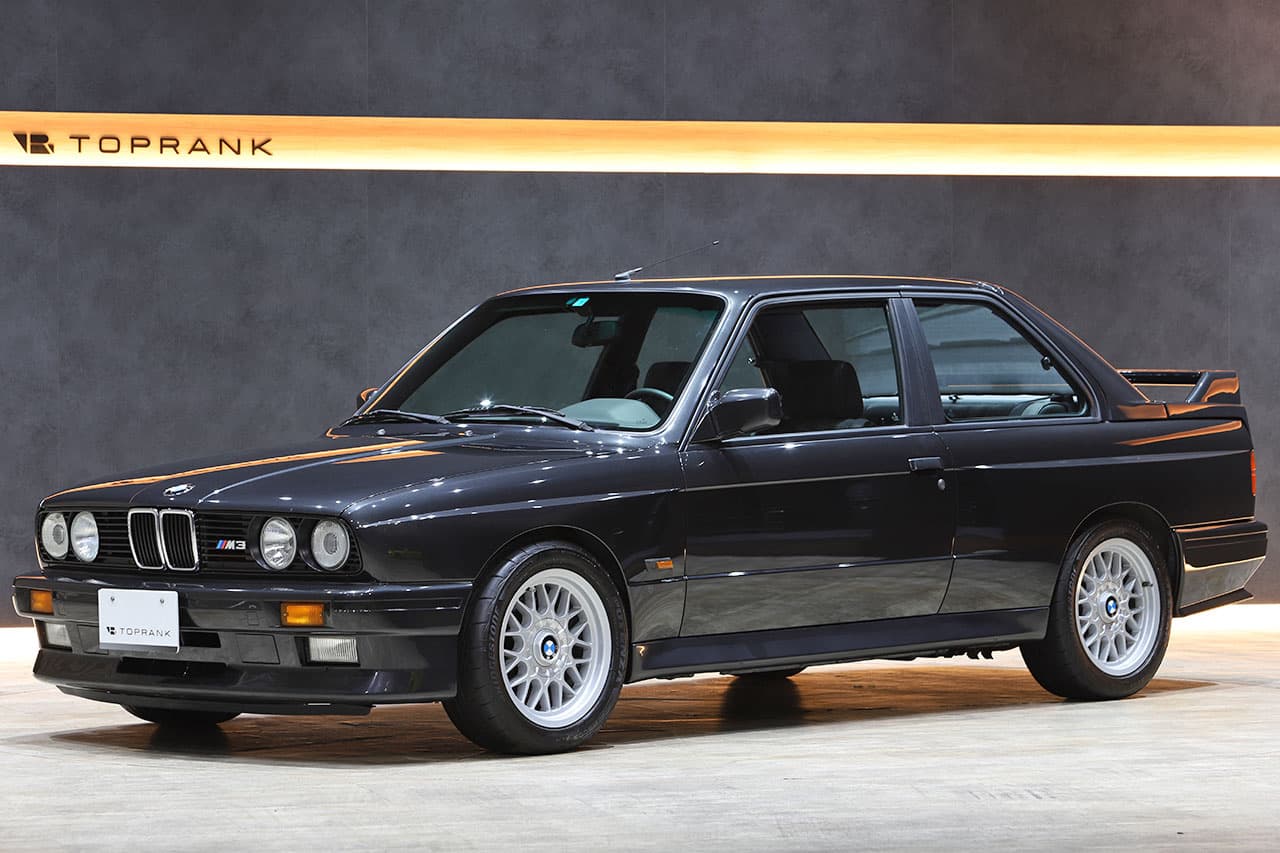
Photos from the TOPRANK studio in Japan. These cars are examples: they are not necessarily for sale today.
How it works
From your request to your registration
The same service as for a JDM car, with the same team and the same packs.
- 01
You tell us which car
The model, the years, the options that matter, your budget and the country of registration.
- 02
We search in Japan
First in the group's own stock, then at trade-only auctions, at dealers and from private owners.
- 03
You approve, TOPRANK Japan buys
You approve a car and a maximum amount in your auction account. TOPRANK Japan buys it, in its own name, and invoices it in yen.
- 04
Transport and customs
Each pack has a default shipping method: RoRo ship with the Budget pack, container with the other two. The choice remains yours. The car travels with ad valorem insurance and is cleared through customs on arrival.
- 05
Homologation
We prepare the file and present the car, in France or in Germany.
- 06
Handover
You collect the car at our Colmar site, by appointment.
Registration
A European make, built for Japan
Even with a European badge, the car was built to Japanese rules. It is not registered automatically in Europe. We check the route before you buy.
RTI, or TÜV + AVDT in some cases
For a European make, the usual route in France is the individual approval (RTI). In some cases we go through a TÜV approval, then an AVDT file. For the RTI, the manufacturer's document (COC or statement) is not included in our price: you order it from the manufacturer.
30 years and older
A car that is 30 years old or more, in its original condition, can apply for collector status in France, with the FFVE certificate.
In Germany
The car goes through a TÜV individual approval, done at our Colmar site, then the German registration.
Mandatory modifications
A rear fog light on the left and front headlights approved for Europe. In some cases we have headlights that can be used to pass homologation, or we can supply a set for you to buy. Allow for these costs on top.
A real example
Porsche 911 type 991: five sales in Japan
What we recorded at Japanese trade auctions between 15 October 2026 and 13 November 2026, for cars built between 2013 and 2017. An example, not a price guide: five sales do not make a market price.
- Sales recorded
- 5
- Lowest price
- ¥10,140,000
- Median price
- ¥11,200,000
- Highest price
- ¥21,000,000
- Median mileage
- 33,000 km
Hammer prices in yen, before auction fees, the pack, shipping, customs duty and VAT. The calculator adds the rest.
Budget
What does it cost, imported and homologated?
The answer depends on the car, the transport and customs: in practice, plan for 10% customs duty, plus import VAT, unless customs recognises the car as a collector's item. The calculator adds it all up, or starts from your all-in budget.
Already in Europe
European cars in stock in Colmar
Some are already here, imported by us. Viewing by appointment.
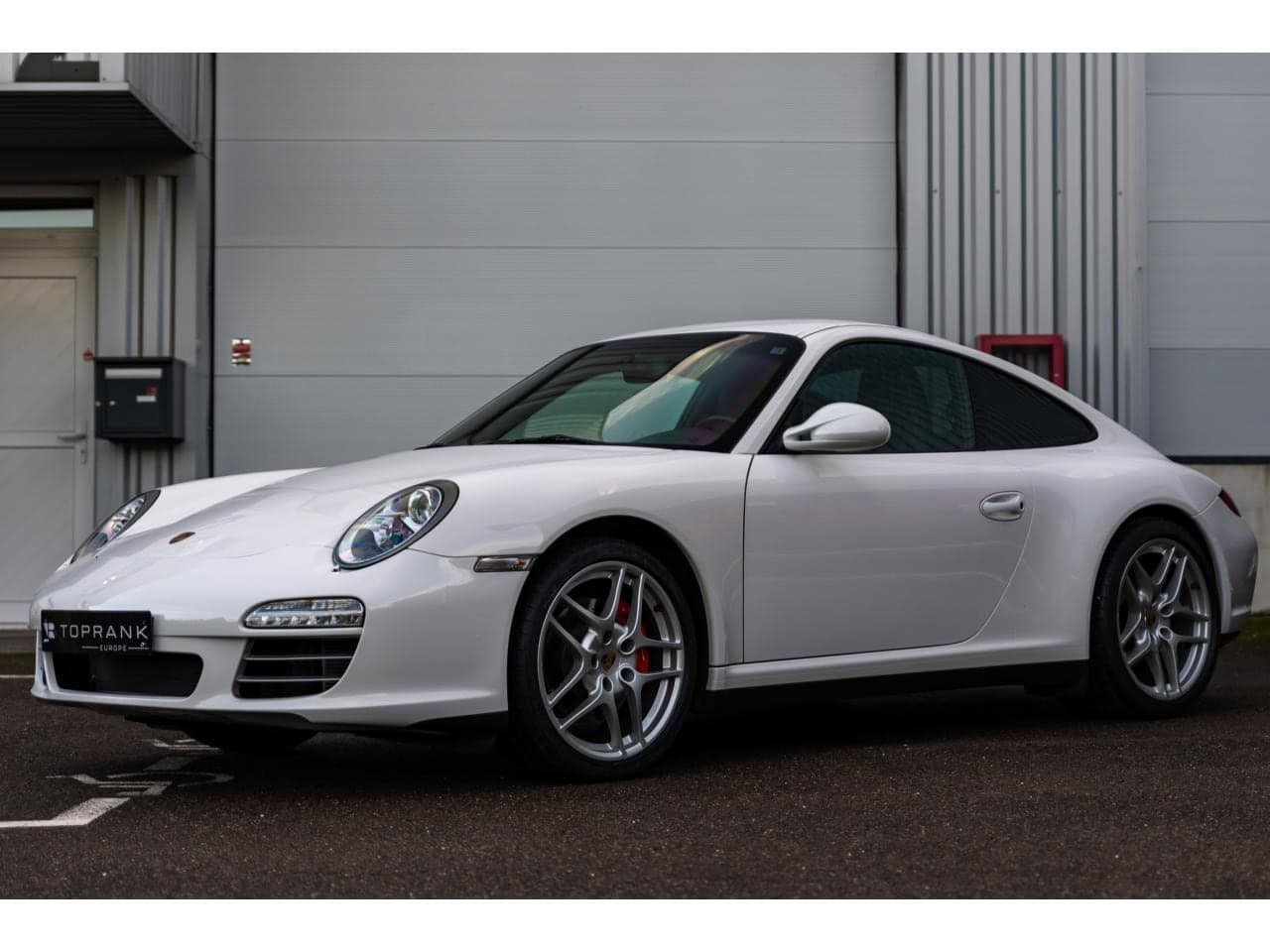 In Colmar
2010 Porsche 911 Carrera 4S (997) Coupé
2010 · 37,732 km · Automatic
From€87,000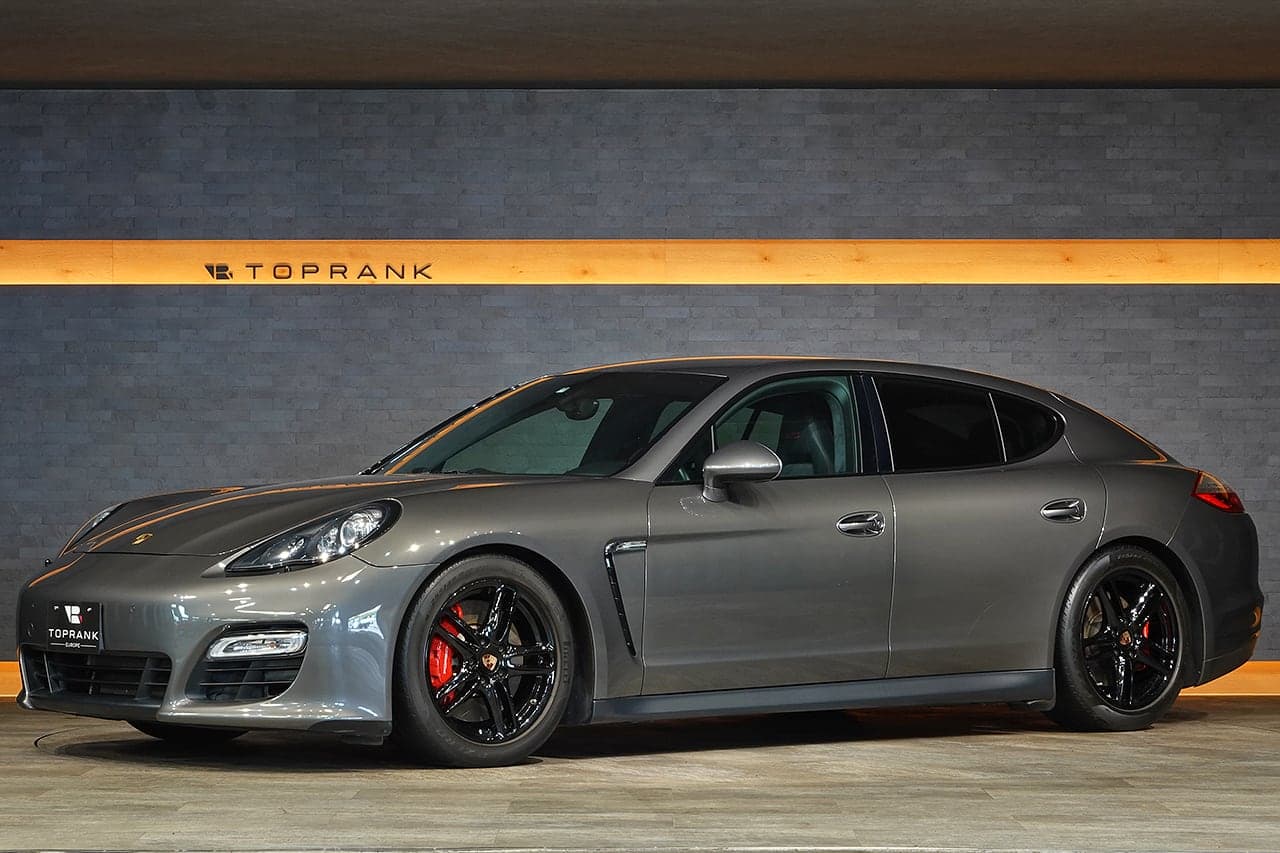 In Colmar
2013 Porsche Panamera GTS
2013 · 69,000 km · Automatic
From€45,900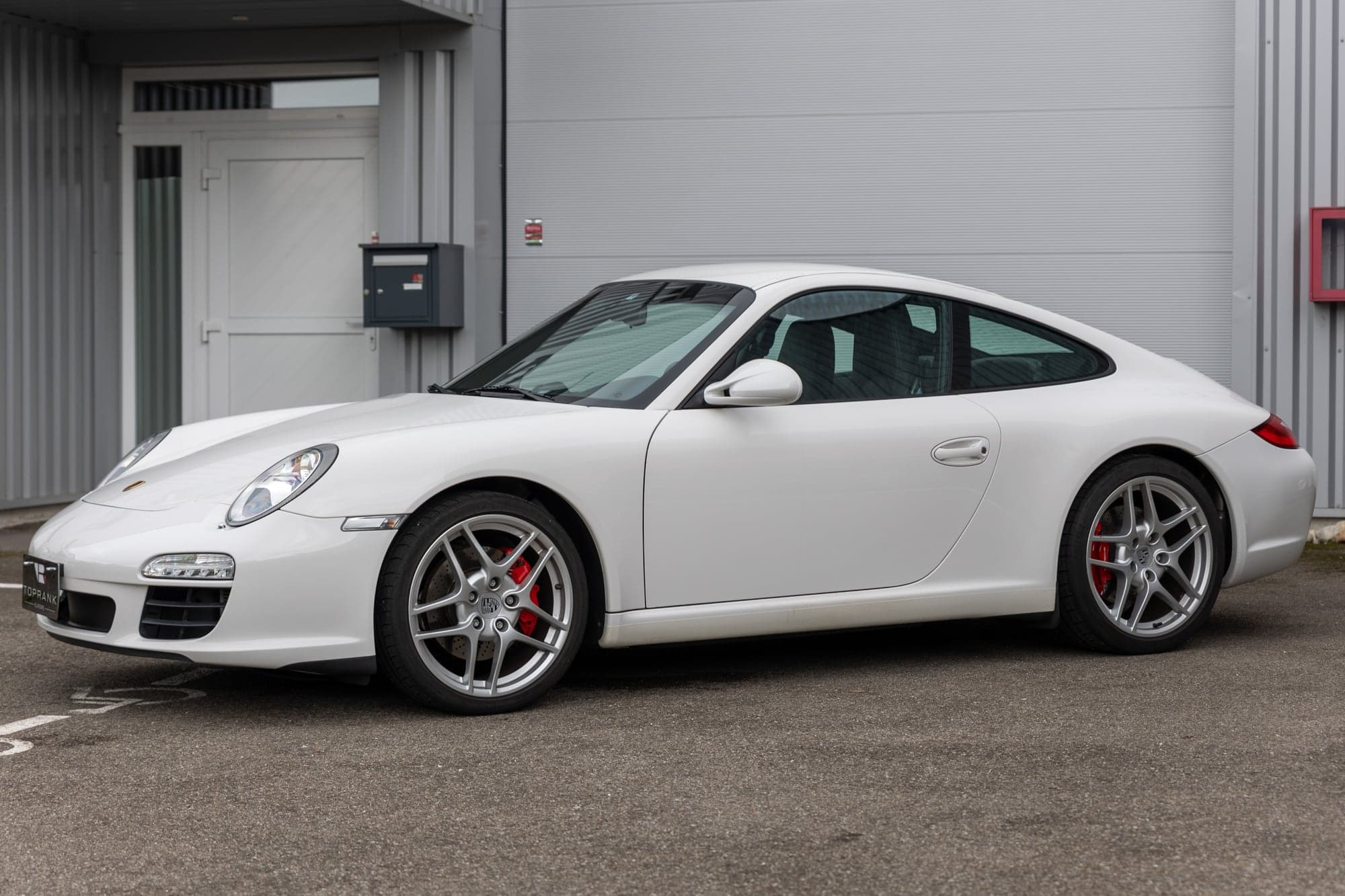 In Colmar
2009 Porsche 997 Carrera S 997.2 PDK
2009 · 18,800 km · Automatic
From€79,900
Questions
European cars from Japan
Will the car have left-hand drive?
Not always. Many European sports cars were sold in Japan with left-hand drive, but not all. We tell you which side the steering wheel is on for every car we propose.
Why buy a European car in Japan?
For the choice: models and specifications that are rare in Europe, on a market where more than half a million used imported cars change hands every year. The condition of each car is judged on evidence: we translate and explain what we know about it.
Is there customs duty on a car built in Europe?
As a rule, yes: the car is imported from Japan. In practice, plan for 10% customs duty, plus import VAT, unless customs recognises it as a collector's item. The calculator works it out.
Can you look for a McLaren, a Bentley or an Aston Martin?
Yes. Tell us the model: we search the group's stock and the Japanese market.
Are the prices the same as for a JDM car?
Yes. The search for a European car uses the same packs as the Japan sourcing service.
How long does it take?
For the homologation, as a guide: individual approval (RTI), 3 to 5 months; FFVE certificate, about 2 months; TÜV + AVDT, 3 to 6 months. The search and the transport from Japan come on top.
Your search
Which one are you looking for?
A model, a budget, a country. We come back to you with what we find in Japan.