


Two shipping methods — how they work

| Topic | Conteneur | RoRo |
|---|---|---|
| How the car moves | Loaded by professionals and secured inside a container | Driven by port staff onto/off the ship + moved during handling |
| Exposure | More protected (sealed environment, fewer people touching the car) | More exposure (multiple handlers, ports, and storage areas) |
| Risk profile | Lower risk of handling damage/theft (not zero, but reduced) | Higher risk due to frequent movement + access points |
| Cost | Usually more expensive than RoRo | Usually cheaper — but the advantage can shrink depending on availability |
| Toprank Europe note | Shared container can bring pricing closer to RoRo | Booking can be difficult; waiting time can increase total delay |
Timeline & planning — what to expect
Shipping timelines are a mix of sea transit + port operations + booking availability. As a practical reference for Japan → France:
- Container: around 50 days on average.
- RoRo: around 70 days on average.
Important reality (RoRo)
Getting a RoRo booking is not always easy. If the schedule is full or the route changes, cars can stay at the Japanese yard for a long time, extending the real “door-to-door” timeline far beyond the sea transit itself.
Risk & handling — where problems happen
Shipping damage rarely comes from the ocean itself — it usually comes from handling. The more times a car is moved, parked, and accessed, the more opportunities exist for mistakes or bad behavior.
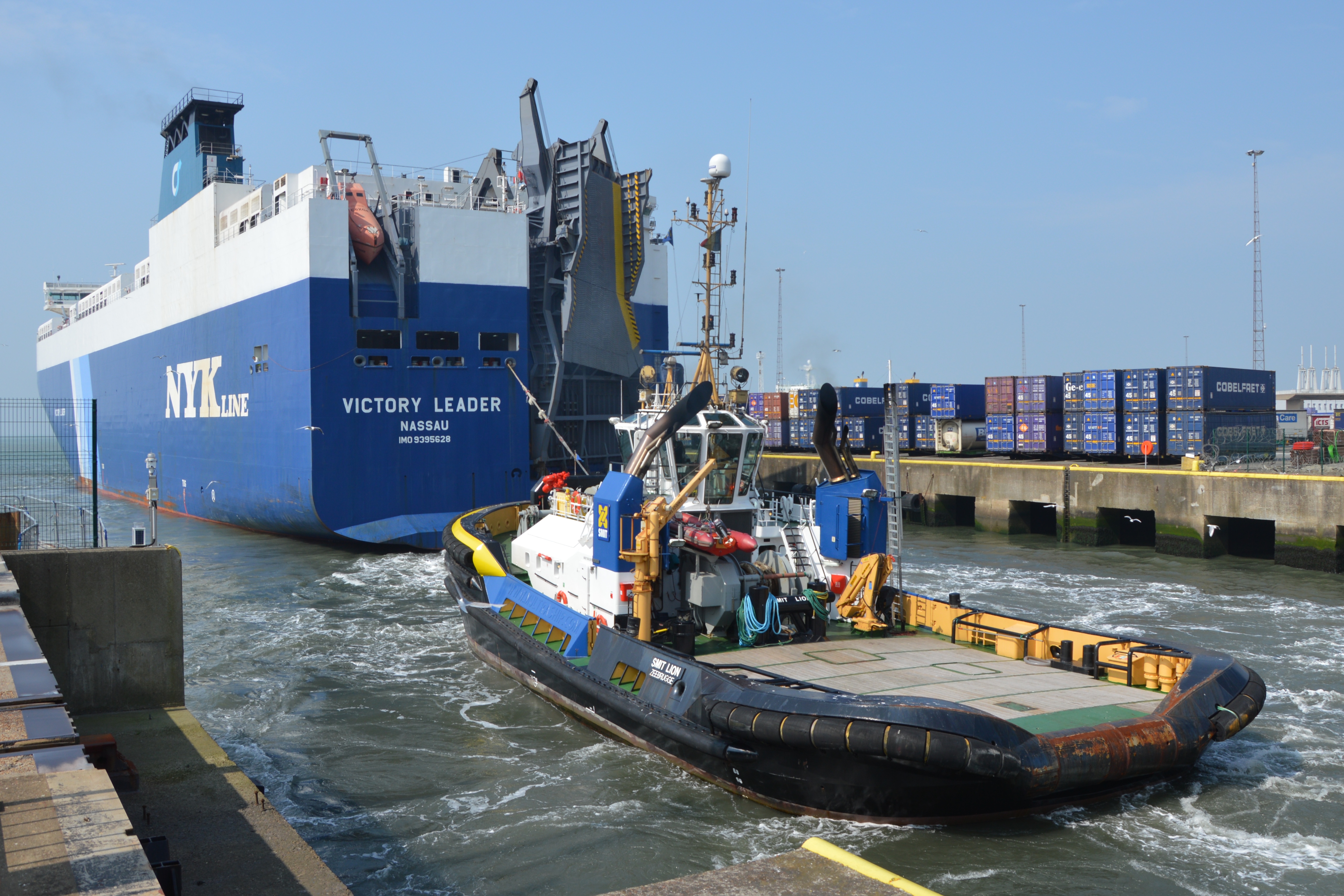
- RoRo risk: cars are driven on/off and sometimes moved inside port areas.
- Multi-port exposure: ships may stop at multiple ports; each stop is another handling moment.
- Theft / parts theft: because the car is accessible, theft risk exists at ports during transit.
- Container advantage: fewer touch points; car is strapped, contained, and less accessible.
Real case — RoRo drift incident (Mazda RX-7)
This is a real example of why we push insurance on RoRo. A customer’s Mazda RX-7 shipped by RoRo was drifted at Zeebrugge during port handling. The car arrived broken.
What happened next (and why insurance matters)
Thanks to our marine insurance (ad valorem), the customer received the total Japanese invoice value back as a total loss settlement. The customer then chose to purchase the broken RX-7 and repair it in France.
This is exactly why shipping risk is not “theoretical”. The right insurance changes a disaster into a controlled outcome.
Assurance maritime — our strong recommendation
We strongly recommend taking marine insurance when shipping your car. Accidents, theft, handling damage, and total loss scenarios are rare — but they do happen.
- Ad valorem coverage: based on the value of the car (not just a small fixed limit).
- Total loss protection: can cover the car in full-loss scenarios (like the RX-7 case).
- Peace of mind: especially important on RoRo due to handling and access exposure.
Important note
Not every company offers true ad valorem marine insurance that can cover the vehicle value in a total loss. Always ask what the policy actually covers — and what it doesn’t.
Our recommendation (simple)
If you want the best control and protection, choose a container. It’s typically more expensive than RoRo, but with Toprank Europe shared containers, the price difference can be pretty close. If you choose RoRo, we strongly recommend adding marine insurance (ad valorem).