


Vehicle guide
Toyota Century GZG50: V12 history and buying guide
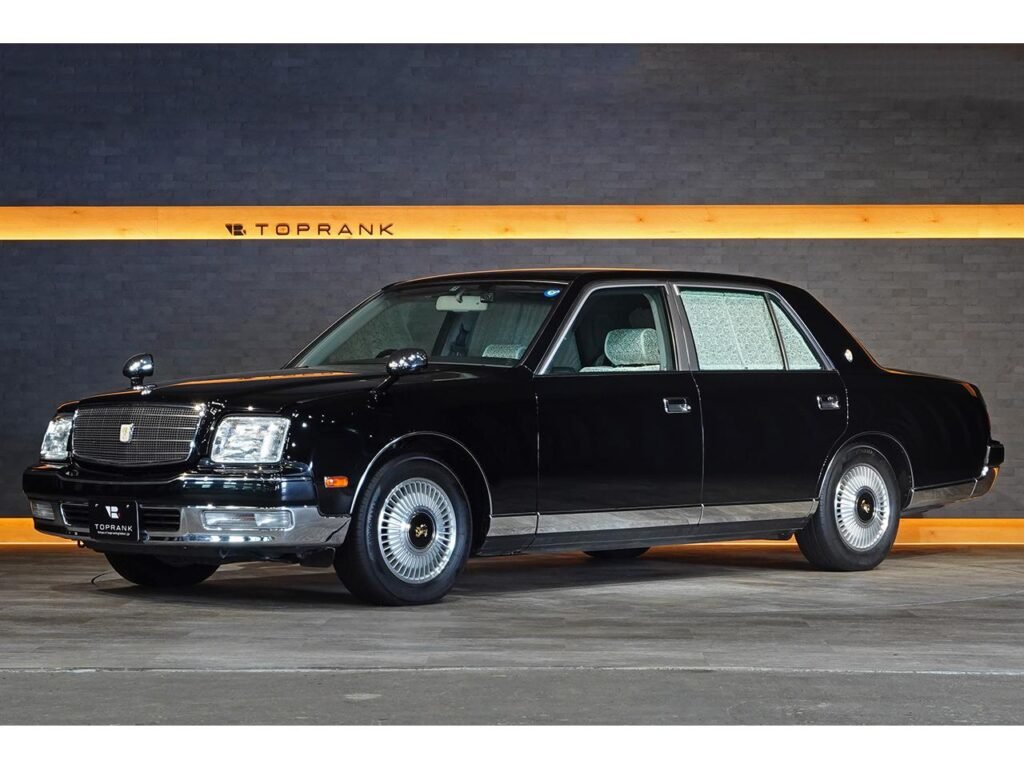
A Toyota Century GZG50 combines V12 power with a cabin designed around its rear passengers. Before choosing one, identify the gearbox and equipment, inspect the air suspension and establish what its maintenance records show. The 2005 update is a useful starting point for comparison.
A different brief for a Japanese flagship
Toyota introduced the redesigned Century on 18 April 1997, thirty years after the original model. The GZG50 retained a formal saloon shape while adopting substantially different mechanical components. Toyota describes the project around relaxation and ride comfort for its passengers.
Its 1GZ-FE was the first V12 used in a Japanese passenger car. The 4,996 cc engine was rated at 280 PS at 5,200 rpm. The chassis combined electronically controlled Skyhook air suspension with double-wishbone suspension at all four wheels. Those are central parts of the car’s specification, and they deserve attention during an inspection.
At 5,270 mm long with a 3,025 mm wheelbase, the Century also needs a practical ownership plan. Check garage dimensions, access and parking space before making its formal proportions the deciding attraction.
Why the 2005 update matters
The GZG50 did not keep the same automatic transmission throughout its life. Toyota’s April 2000 catalogue lists a four-speed ECT-i automatic. Its January 2005 Floor Shift catalogue records the DBA-GZG50 with a six-speed Super ECT automatic and rear-wheel drive.
This is a concrete reason to distinguish earlier and later examples, but “2005” in an advert is not enough to identify a car’s full configuration. Request the model designation, build or registration information and photographs of the controls.
Torque figures also need a date attached: Toyota lists 481 Nm for the cited 2000 specification and 460 Nm for the January 2005 model. Mixing the early engine figure with the later gearbox creates a specification the source does not describe. Both cited versions retain a 280 PS factory rating.
Inspect the rear cabin as carefully as the front
On a Century, the passenger equipment is part of the reason to buy the car. Toyota’s 2005 catalogue lists powered rear seats and dual air conditioning, with leather upholstery as an option. Do not assume a photograph of one interior represents every car.
Ask for a demonstration of the fitted seat adjustments, climate controls, windows, audio and other cabin functions. Check the upholstery, carpets, wood trim, headlining and switches in clear photographs. Record any damage and establish whether the required replacement or repair has been investigated.
Original navigation and audio equipment should be assessed for how you will actually use the car outside Japan. Confirm language, radio reception and any installed upgrades. An original-looking dashboard does not establish that every function works or is useful at the destination.
What to include in a purchase inspection
- Engine and cooling: review maintenance invoices, investigate leaks or warning lights and observe operation from cold through normal temperature.
- Transmission: identify the fitted gearbox, review its service history and assess engagement and shifting during inspection.
- Suspension: check the air-suspension system, ride height and evidence of previous work or conversion to a different setup.
- Body and underside: inspect corrosion, past repairs, mounting points, tyres and brakes.
- History: compare recorded dates and distances across service records, inspection documents and ownership paperwork.
A quiet idle or a low displayed mileage is only part of the picture. Ask the inspecting workshop for a written list of current faults, required maintenance and any items that could not be checked.
Plan the ownership before the purchase
Discuss servicing with a workshop willing to support this specific model. For any identified fault, establish the parts required, a repair approach and an estimate before committing to the car. The Toyota badge alone does not answer questions about parts lead times or specialist work on an ageing V12 saloon.
Choose the transmission, interior and level of originality you want, then compare documented examples. Include transport, destination formalities and the inspection’s findings in the total budget. The Century makes the most sense when its size, equipment and maintenance needs fit the way you intend to own it.
Plan your Century search
Tell us whether you prefer an earlier or later GZG50, your interior and transmission requirements, the destination country and total budget. Include any existing advert so we can identify the specification and inspection questions.